Aphids in corn can threaten yield during critical reproductive stages, particularly around tasseling and pollination. Heavy infestations can interfere with silking and pollination, potentially reducing kernel set. Regular scouting during key growth stages and timely management decisions are essential to minimize the risk of yield loss.
If left unmanaged, corn aphid infestations can result in:
- Pollination interference caused by aphid-covered silks
- Reduced kernel set during VT/R1
- Amplifying pre-existing yield loss from nutrient stress, high temperatures or drought like conditions
What Are Corn Aphids?
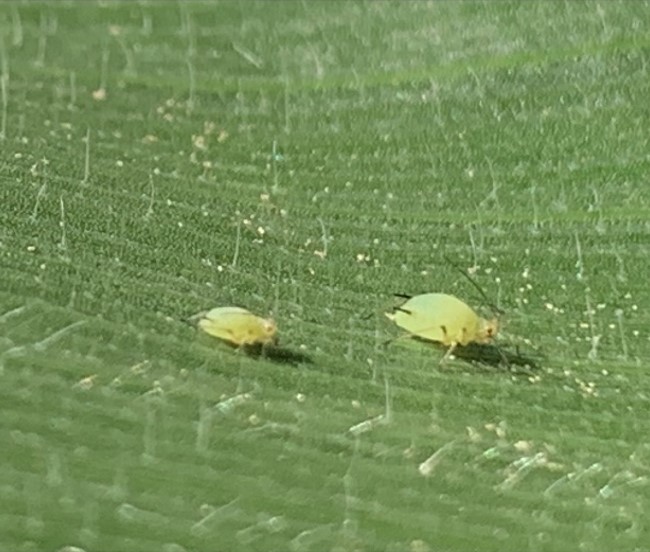 figure 1.Adult aphids on a corn plant leaf
 Aphids found in corn are small (1/8
th inch) greenish insects that have piercing sucking mouthparts they use to feed on plant phloem. Four aphid species are found in Midwestern U.S. corn, with the
corn leaf aphid and
bird cherry–oat aphid being the most common. All four species have unique features for identification; however, management practices are the same for all of them
Key characteristics include:
- Aphids do not overwinter in northern corn growing regions.
- Aphids migrate into Midwestern corn fields during the growing season from Southern states
- They typically cluster on the ear, tassel, and upper stalk
- They excrete excess plant sap referred to as honeydew onto leaves, silks and tassels
- This excess sap can interfere with pollination or photosynthesis
When is Management Needed?
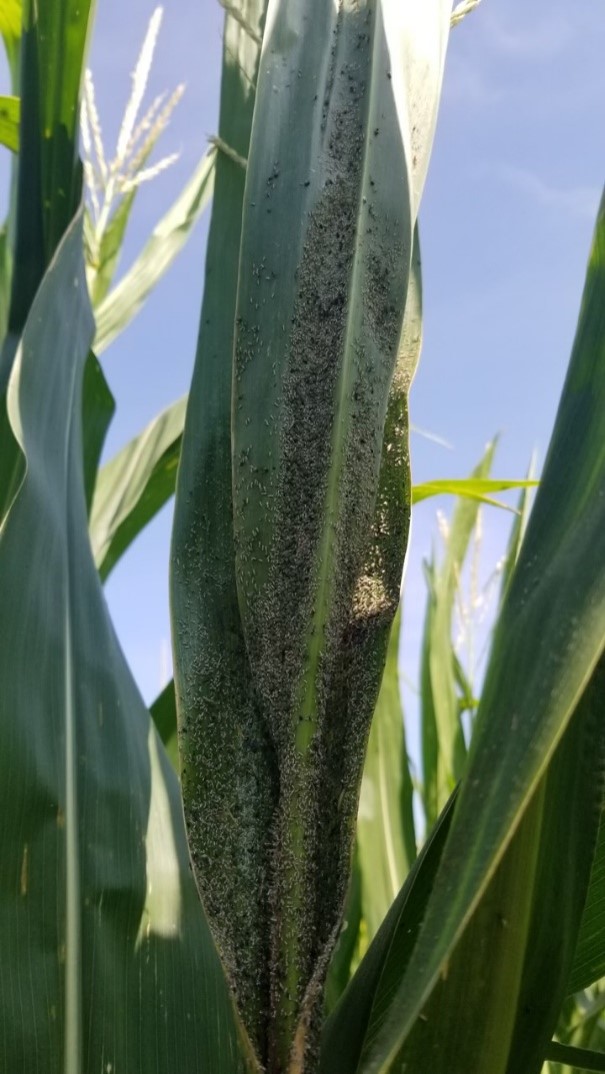 figure 2.Aphid infestation on the underside of a corn plant leaf.
 Aphids can easily be found in most corn fields; however, they rarely cause economic damage. Identifying the crop stage at which infestations occur, along with assessing the percentage of affected plants in the field, can provide valuable information for determining whether treatment is justified. Early detection is critical because aphid populations can increase rapidly under favorable conditions. Scouting is most important as corn approaches and enters reproductive stages.
Assess the situation:
- Start scouting as early as three weeks before tasseling.
- Colonies often develop deep within the plant whorl.
- Pull whorl leaves and unroll leaves to estimate number of aphids per plant
- Continue scouting just before and during VT/R1 (tasseling and early silking)
- Aphids will begin to move outside whorls and become exposed.
- Check the ear zone, tassels, and silks for aphid buildup
- Evaluate most of the field to ensure more than field edges are infested
- Pay close attention to silk coverage, especially when pollination is underway
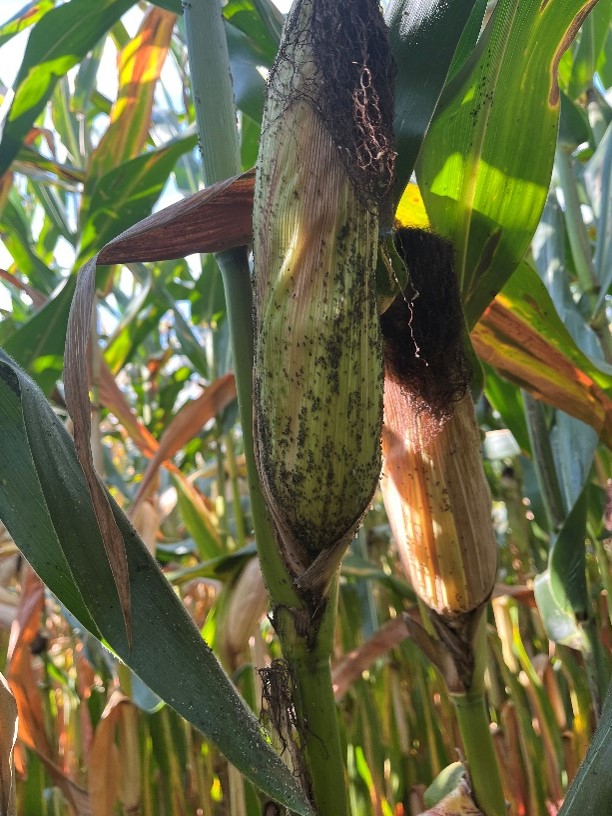 figure 3.Heavy aphid infestation on a corn plant ear and stalk
 Management Guidelines for Corn Aphids
There is no universally defined economic threshold for aphids in corn. However, limited Purdue University extension research suggests treatment may be justified when:
- Over 80% of the plants are infested and populations appear to be increasing
- Pre-tassel: 15 aphids/plant whorl 3 weeks before tasseling and plants under moisture stress.1
- Post-tassel: 50% of tassels covered prior to 50% pollination and plants under moisture stress1
- Aphids are heavily concentrated on silks or in the ear zone during pollination
- Sooty mold is developing on leaves, stalks or ear
- Fields are experiencing drought stress in conjunction with aphids
When are Insecticide Applications Not Necessary?
- Spraying for corn leaf aphids while they are protected deep in whorls is usually not effective
- Spraying for corn leaf aphids at R2 or later is usually not cost-effective, as populations will naturally start to decline
- Spraying when corn is nearing dent stage is not necessary, as the threat to yield has passed
Key Takeaways
Successful corn aphid management depends on:
- Timely scouting just ahead of tasseling and during pollination
- Awareness that no single threshold fits all situations
- Integrating crop stage, weather conditions, and aphid pressure into treatment decisions
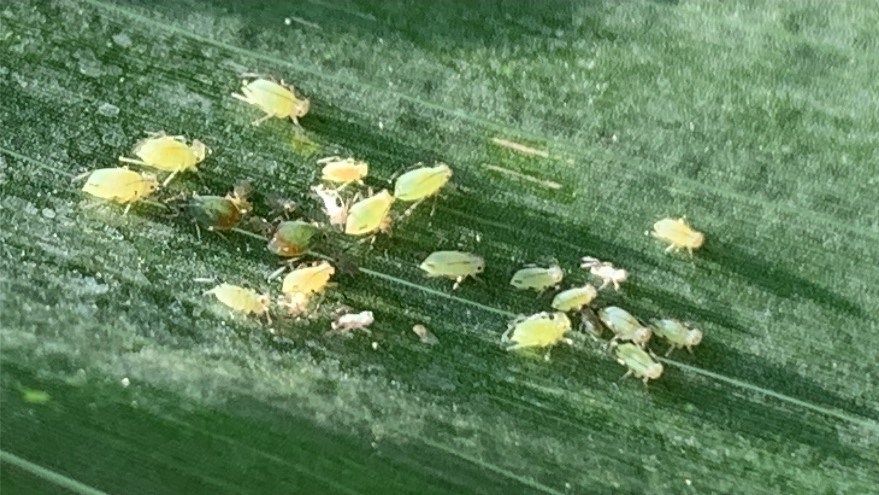 figure 3.Adult aphids on a corn plant leaf
 Source: 1CORN INSECT CONTROL RECOMMENDATIONS E-219-W May 2023 Purdue University Christian H. Krupke and John L.
Obermeyer, Extension Entomologists
All photos are either the property of Syngenta or are used with permission.