Skip to Main Content

How Selecting Top-Performing Silage Hybrids Can Support Your Livestock Operation

Author: Syngenta Agronomist

Categories: LIVESTOCK FEED MANAGEMENT, Harvest, CORN
Share:

Choosing the right corn hybrid for silage can significantly impact your livestock operation's success. Our Agronomy in Action Research team provides silage hybrid ratings to help farmers with livestock operations choose the best option to meet the nutritional needs of dairy and beef operations. Golden Harvest hybrids are evaluated for both tonnage and quality traits in replicated trials over a two-year period prior to being advanced as a commercial product. Understanding silage quality ratings and proper management practices is crucial for maximizing your investment.
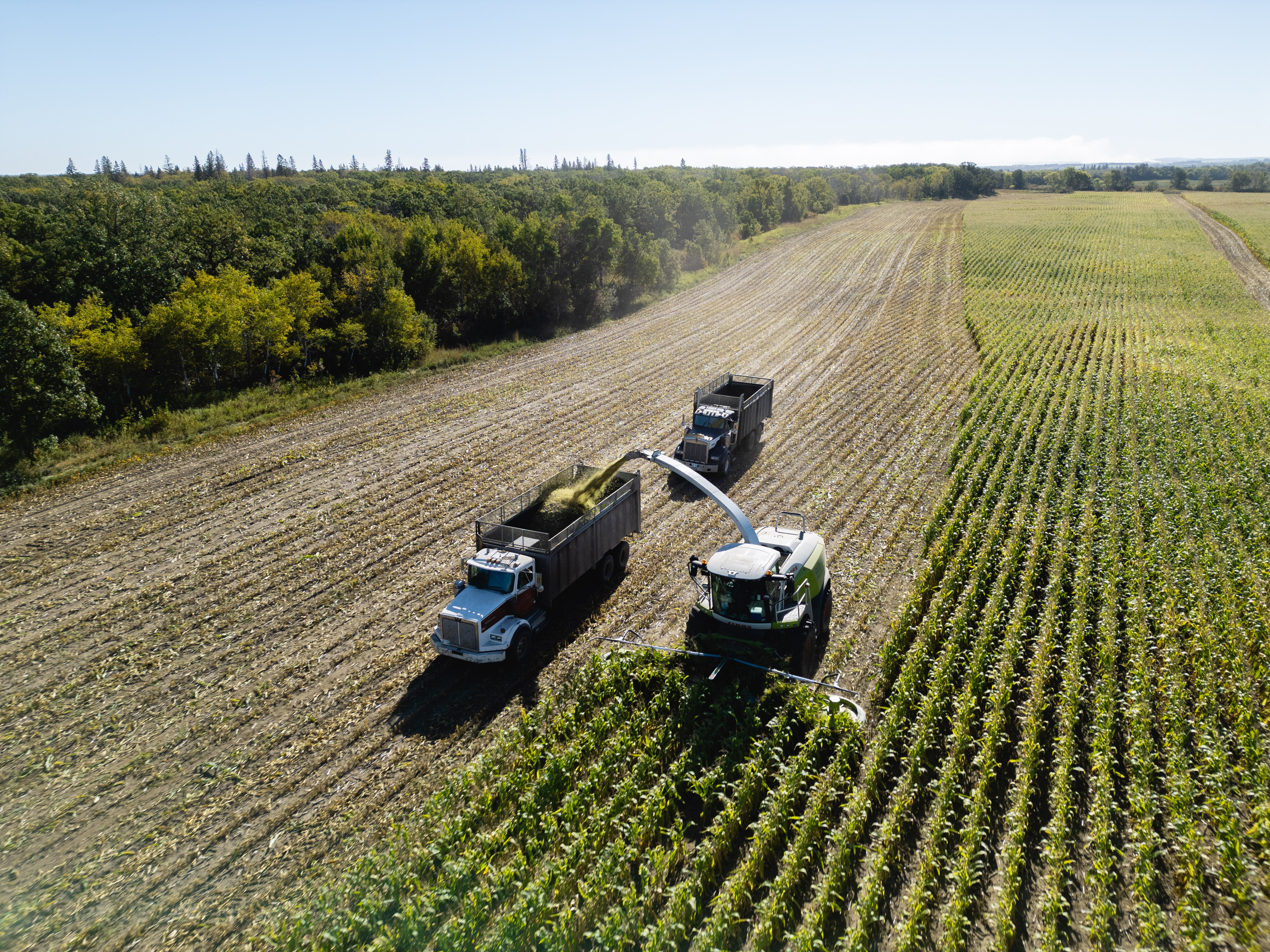
Corn silage harvester and wagon in motion on a cornfield Figure 1. Corn silage harvest

What Makes a Great Silage Hybrid?

Quality silage starts with selecting hybrids that offer:
  • Strong regional adaptation
  • Enhanced stay-green characteristics
  • Improved starch digestibility
  • Balanced yield and quality traits

How Are Silage Ratings Determined?

Our rating system uses NIR (near-infrared spectroscopy) analysis by independent labs to derive the silage quality and digestibility data results to evaluate hybrids and assign the following ratings:

BEST = Best silage quality or yield content, relative to other hybrids
GOOD = Good silage quality or yield content, relative to other hybrids
FAIR = Fair silage quality or yield content, relative to other hybrids
POOR = Poor silage quality or yield content, relative to other hybrids.

What Should You Consider When Planning Your Silage Program?

Silage corn hybrids can benefit from a few adjustments in your management approach compared to raising corn for grain. Key tips include:

  • Select hybrids well-adapted for the geographic region using local performance data whenever possible.
  • Understand that hybrid characteristics such as stay-green and increased starch digestibility are important for silage production.
  • Select hybrids best fitting specific needs for yield and quality. When comparing hybrid ratings, it is recommended to compare ratings within a maturity group.
  • Plant early to optimize crop utilization of water, nutrients and sunlight.
  • Plant at populations equal to or up to 10% greater than corn for grain.
  • Acknowledge soil nutrient removal for potassium and phosphorus will be higher for silage than grain production, due to the increased removal of crop residue.
  • Target a whole-plant moisture content of 60-70% at harvest, depending on ensiling method, with higher moistures best suited for storage in a bunker or pile.

Making the Planting Decision

Scenario: Selecting hybrids for next season

Risk: Suboptimal feed quality and yield

What to Consider:

  • Local performance data
  • Specific nutritional needs
  • Storage method
  • Maturity group compatibility

How Do You Optimize Nutrient Management?

 Step 1: Account for increased nutrient removal
 Step 2: Adjust fertility programs accordingly
 Step 3: Monitor soil test levels regularly

Common mistake: Treating silage corn fertility the same as grain corn

Key Takeaways: Success with silage corn requires careful hybrid selection based on proven performance data and your specific operational needs. Remember that proper management practices, including increased plant populations and enhanced fertility programs, are essential for maximizing both yield and quality. Always compare hybrids within the same maturity group for the most accurate assessment of potential performance


Golden Harvest Corn Silage Hybrid Ratings
Agronomic Research Ratings1
Hybrid
Golden
Harvest
Brand
RMTons/acProteinNDFNDFDStarchFatNELMilk/TMilk/A2Beef/TBeef/A
G80Q0180FairBestBestGoodGoodGoodGoodGoodGoodGoodGood
G82B1282FairNANAGoodGoodNAGoodGoodGoodGoodGood
G83X6283FairBestNAGoodGoodGoodGoodGoodFairGoodFair
G85Z5685GoodNANAFairGoodNAGoodGoodBestGoodBest
G85B0485FairGoodGoodGoodGoodGoodGoodGoodGoodGoodGood
G87U4487FairBestGoodGoodGoodGoodGoodGoodFairGoodFair
G88X5188GoodGoodNAFairFairGoodFairPoorFairPoorFair
G90M0690GoodNANAGoodBestNAGoodGoodGoodGoodGood
G90B1190GoodGoodGoodFairGoodGoodGoodGoodGoodGoodGood
G91V5191GoodGoodBestGoodBestBestGoodGoodGoodGoodGood
G91X4991BestFairNABestGoodGoodGoodBestBestGoodBest
G92A5192BestGoodBestGoodBestGoodBestBestGoodBestGood
G94U6394GoodGoodGoodBestBestGoodGoodGoodGoodGoodGood
G95D3295GoodGoodBestBestBestBestGoodGoodGoodGoodGood
G95X4195GoodGoodNAFairGoodGoodFairGoodGoodFairGood
G96X6296GoodGoodNAGoodFairGoodFairFairGoodGoodGood
G97B6897BestGoodGoodGoodGoodGoodGoodGoodBestGoodBest
G98U6298GoodGoodFairGoodBestBestGoodBestBestBestBest
G98X6398GoodGoodNAGoodGoodGoodGoodGoodGoodGoodGood
G98X3498GoodGoodNABestGoodGoodGoodGoodGoodGoodGood
G99M4999GoodGoodNAGoodGoodBestGoodFairGoodGoodGood
G00U71100GoodBestGoodGoodGoodGoodGoodGoodGoodGoodGood
G00A97100FairGoodBestFairBestBestGoodGoodGoodBestBest
G00X74100GoodGoodNAGoodGoodGoodGoodGoodFairGoodFair
G01U74101GoodGoodGoodBestBestGoodGoodBestBestBestBest
G03U08103BestGoodGoodGoodBestGoodGoodGoodBestGoodBest
G03X84103GoodGoodNAGoodFairFairGoodGoodGoodGoodGood
G04S19104GoodGoodFairGoodFairFairGoodGoodGoodGoodGood
G04M93104GoodGoodNAGoodGoodGoodGoodGoodGoodGoodGood
G04X79104BestGoodNAGoodGoodFairGoodGoodGoodGoodGood
G05U86105FairGoodGoodFairBestFairGoodGoodFairGoodFair
G06M39106GoodGoodNAGoodGoodNAGoodGoodGoodGoodGood
G08U00108GoodGoodGoodGoodGoodGoodGoodGoodGoodGoodGood
G08R52108GoodGoodGoodGoodGoodFairFairFairGoodGoodGood
G09B15109GoodGoodGoodGoodBestFairGoodGoodGoodGoodGood
G09M19109FairGoodNAGoodGoodFairGoodGoodGoodGoodGood
G10L16110GoodFairBestFairBestBestGoodGoodGoodGoodGood
G10U97110BestGoodGoodGoodBestGoodGoodBestBestBestBest
G10M87110GoodGoodNAGoodFairNAGoodFairGoodFairGood
G11V76111GoodGoodGoodGoodFairFairGoodGoodGoodFairGood
G11X99111GoodGoodNAGoodGoodGoodGoodBestGoodGoodFair
G12U11112BestGoodFairFairGoodFairGoodGoodGoodGoodGood
G12S75112BestFairPoorFairFairFairGoodGoodGoodFairGood
G13U96113GoodGoodGoodBestBestFairGoodGoodGoodGoodGood
G13U29113GoodFairGoodBestGoodGoodGoodGoodGoodGoodGood
G13M31113GoodGoodNABestBestBestGoodBestBestBestBest
G13X38113GoodGoodNAGoodGoodGoodGoodGoodGoodGoodGood
G14B32114BestGoodGoodGoodGoodGoodGoodGoodGoodGoodGood
G14B65114GoodFairFairFairFairFairGoodFairFairFairFair
G14R38114GoodFairBestGoodBestBestBestBestBestBestBest
G15U34115GoodGoodGoodGoodGoodGoodGoodGoodGoodGoodGood
G15J91115GoodGoodGoodGoodFairGoodBestGoodGoodGoodGood
G16M15116FairGoodNAGoodBestGoodGoodGoodGoodGoodGood
G17M19117GoodGoodGoodBestFairGoodBestGoodGoodGoodGood
G17A81117FairGoodGoodFairGoodGoodGoodGoodFairGoodGood
G17X12117BestGoodNABestGoodGoodGoodBestBestBestBest
Table 1 : Agronomic characteristic ratings for Golden Harvest silage corn hybrids available for the 2027 crop year

1Digestibility ratings are based on near-infrared and in vitro digestibility analysis. Milk performance estimates are generated from University of Wisconsin equations. Comparisons should be made only among hybrids within a maturity group. Although actual silage yield and quality analysis of a hybrid will vary with environment, the relative ranking of a hybrid will be similar. These ratings are a relative performance guide. Conduct a laboratory test to determine actual silage quality when balancing a feed ration. These ratings should not be used to estimate actual production per animal, but instead should be used to determine relative overall silage quality and yield of each hybrid.
2fyi.extension.wisc.edu/forage/files/2016/11/Milk-2016-Combining-Yield-and-Quality-into-a-Single-Term-2.pdf


For more information on corn silage considerations, contact your local Golden Harvest Seed Advisor.

How Selecting Top-Performing Silage Hybrids Can Support Your Livestock Operation

Author: Syngenta Agronomist

Categories: LIVESTOCK FEED MANAGEMENT, Harvest, CORN
Share:

Choosing the right corn hybrid for silage can significantly impact your livestock operation's success. Our Agronomy in Action Research team provides silage hybrid ratings to help farmers with livestock operations choose the best option to meet the nutritional needs of dairy and beef operations. Golden Harvest hybrids are evaluated for both tonnage and quality traits in replicated trials over a two-year period prior to being advanced as a commercial product. Understanding silage quality ratings and proper management practices is crucial for maximizing your investment.

Corn silage harvester and wagon in motion on a cornfield Figure 1. Corn silage harvest

What Makes a Great Silage Hybrid?

Quality silage starts with selecting hybrids that offer:
  • Strong regional adaptation
  • Enhanced stay-green characteristics
  • Improved starch digestibility
  • Balanced yield and quality traits

How Are Silage Ratings Determined?

Our rating system uses NIR (near-infrared spectroscopy) analysis by independent labs to derive the silage quality and digestibility data results to evaluate hybrids and assign the following ratings:

BEST = Best silage quality or yield content, relative to other hybrids
GOOD = Good silage quality or yield content, relative to other hybrids
FAIR = Fair silage quality or yield content, relative to other hybrids
POOR = Poor silage quality or yield content, relative to other hybrids.

What Should You Consider When Planning Your Silage Program?

Silage corn hybrids can benefit from a few adjustments in your management approach compared to raising corn for grain. Key tips include:

  • Select hybrids well-adapted for the geographic region using local performance data whenever possible.
  • Understand that hybrid characteristics such as stay-green and increased starch digestibility are important for silage production.
  • Select hybrids best fitting specific needs for yield and quality. When comparing hybrid ratings, it is recommended to compare ratings within a maturity group.
  • Plant early to optimize crop utilization of water, nutrients and sunlight.
  • Plant at populations equal to or up to 10% greater than corn for grain.
  • Acknowledge soil nutrient removal for potassium and phosphorus will be higher for silage than grain production, due to the increased removal of crop residue.
  • Target a whole-plant moisture content of 60-70% at harvest, depending on ensiling method, with higher moistures best suited for storage in a bunker or pile.

Making the Planting Decision

Scenario: Selecting hybrids for next season

Risk: Suboptimal feed quality and yield

What to Consider:

  • Local performance data
  • Specific nutritional needs
  • Storage method
  • Maturity group compatibility

How Do You Optimize Nutrient Management?

 Step 1: Account for increased nutrient removal
 Step 2: Adjust fertility programs accordingly
 Step 3: Monitor soil test levels regularly

Common mistake: Treating silage corn fertility the same as grain corn

Key Takeaways: Success with silage corn requires careful hybrid selection based on proven performance data and your specific operational needs. Remember that proper management practices, including increased plant populations and enhanced fertility programs, are essential for maximizing both yield and quality. Always compare hybrids within the same maturity group for the most accurate assessment of potential performance


Golden Harvest Corn Silage Hybrid Ratings
Agronomic Research Ratings1
Hybrid
Golden
Harvest
Brand
RMTons/acProteinNDFNDFDStarchFatNELMilk/TMilk/A2Beef/TBeef/A
G80Q0180FairBestBestGoodGoodGoodGoodGoodGoodGoodGood
G82B1282FairNANAGoodGoodNAGoodGoodGoodGoodGood
G83X6283FairBestNAGoodGoodGoodGoodGoodFairGoodFair
G85Z5685GoodNANAFairGoodNAGoodGoodBestGoodBest
G85B0485FairGoodGoodGoodGoodGoodGoodGoodGoodGoodGood
G87U4487FairBestGoodGoodGoodGoodGoodGoodFairGoodFair
G88X5188GoodGoodNAFairFairGoodFairPoorFairPoorFair
G90M0690GoodNANAGoodBestNAGoodGoodGoodGoodGood
G90B1190GoodGoodGoodFairGoodGoodGoodGoodGoodGoodGood
G91V5191GoodGoodBestGoodBestBestGoodGoodGoodGoodGood
G91X4991BestFairNABestGoodGoodGoodBestBestGoodBest
G92A5192BestGoodBestGoodBestGoodBestBestGoodBestGood
G94U6394GoodGoodGoodBestBestGoodGoodGoodGoodGoodGood
G95D3295GoodGoodBestBestBestBestGoodGoodGoodGoodGood
G95X4195GoodGoodNAFairGoodGoodFairGoodGoodFairGood
G96X6296GoodGoodNAGoodFairGoodFairFairGoodGoodGood
G97B6897BestGoodGoodGoodGoodGoodGoodGoodBestGoodBest
G98U6298GoodGoodFairGoodBestBestGoodBestBestBestBest
G98X6398GoodGoodNAGoodGoodGoodGoodGoodGoodGoodGood
G98X3498GoodGoodNABestGoodGoodGoodGoodGoodGoodGood
G99M4999GoodGoodNAGoodGoodBestGoodFairGoodGoodGood
G00U71100GoodBestGoodGoodGoodGoodGoodGoodGoodGoodGood
G00A97100FairGoodBestFairBestBestGoodGoodGoodBestBest
G00X74100GoodGoodNAGoodGoodGoodGoodGoodFairGoodFair
G01U74101GoodGoodGoodBestBestGoodGoodBestBestBestBest
G03U08103BestGoodGoodGoodBestGoodGoodGoodBestGoodBest
G03X84103GoodGoodNAGoodFairFairGoodGoodGoodGoodGood
G04S19104GoodGoodFairGoodFairFairGoodGoodGoodGoodGood
G04M93104GoodGoodNAGoodGoodGoodGoodGoodGoodGoodGood
G04X79104BestGoodNAGoodGoodFairGoodGoodGoodGoodGood
G05U86105FairGoodGoodFairBestFairGoodGoodFairGoodFair
G06M39106GoodGoodNAGoodGoodNAGoodGoodGoodGoodGood
G08U00108GoodGoodGoodGoodGoodGoodGoodGoodGoodGoodGood
G08R52108GoodGoodGoodGoodGoodFairFairFairGoodGoodGood
G09B15109GoodGoodGoodGoodBestFairGoodGoodGoodGoodGood
G09M19109FairGoodNAGoodGoodFairGoodGoodGoodGoodGood
G10L16110GoodFairBestFairBestBestGoodGoodGoodGoodGood
G10U97110BestGoodGoodGoodBestGoodGoodBestBestBestBest
G10M87110GoodGoodNAGoodFairNAGoodFairGoodFairGood
G11V76111GoodGoodGoodGoodFairFairGoodGoodGoodFairGood
G11X99111GoodGoodNAGoodGoodGoodGoodBestGoodGoodFair
G12U11112BestGoodFairFairGoodFairGoodGoodGoodGoodGood
G12S75112BestFairPoorFairFairFairGoodGoodGoodFairGood
G13U96113GoodGoodGoodBestBestFairGoodGoodGoodGoodGood
G13U29113GoodFairGoodBestGoodGoodGoodGoodGoodGoodGood
G13M31113GoodGoodNABestBestBestGoodBestBestBestBest
G13X38113GoodGoodNAGoodGoodGoodGoodGoodGoodGoodGood
G14B32114BestGoodGoodGoodGoodGoodGoodGoodGoodGoodGood
G14B65114GoodFairFairFairFairFairGoodFairFairFairFair
G14R38114GoodFairBestGoodBestBestBestBestBestBestBest
G15U34115GoodGoodGoodGoodGoodGoodGoodGoodGoodGoodGood
G15J91115GoodGoodGoodGoodFairGoodBestGoodGoodGoodGood
G16M15116FairGoodNAGoodBestGoodGoodGoodGoodGoodGood
G17M19117GoodGoodGoodBestFairGoodBestGoodGoodGoodGood
G17A81117FairGoodGoodFairGoodGoodGoodGoodFairGoodGood
G17X12117BestGoodNABestGoodGoodGoodBestBestBestBest
Table 1 : Agronomic characteristic ratings for Golden Harvest silage corn hybrids available for the 2027 crop year

1Digestibility ratings are based on near-infrared and in vitro digestibility analysis. Milk performance estimates are generated from University of Wisconsin equations. Comparisons should be made only among hybrids within a maturity group. Although actual silage yield and quality analysis of a hybrid will vary with environment, the relative ranking of a hybrid will be similar. These ratings are a relative performance guide. Conduct a laboratory test to determine actual silage quality when balancing a feed ration. These ratings should not be used to estimate actual production per animal, but instead should be used to determine relative overall silage quality and yield of each hybrid.
2fyi.extension.wisc.edu/forage/files/2016/11/Milk-2016-Combining-Yield-and-Quality-into-a-Single-Term-2.pdf


For more information on corn silage considerations, contact your local Golden Harvest Seed Advisor.

X

You are viewing from

Thank you for visiting the Golden Harvest website. We understand how important it is for you to find agronomic and product information pertinent to your local area. Please enter your zip code or select your area below to ensure you are seeing the information that matters most to you.
Learn more about regions >

CHANGE BY ZIP CODE OR SELECT YOUR REGION

OR
We're sorry. Golden Harvest is not available in this area. Please try another zip code or contact a Golden Harvest Seed Advisor for more information.

Is this page helpful to you?

How can we improve
this page? (optional)

Can you tell us your
role in agriculture? (optional)

Thanks for the feedback.

We appreciate your participation